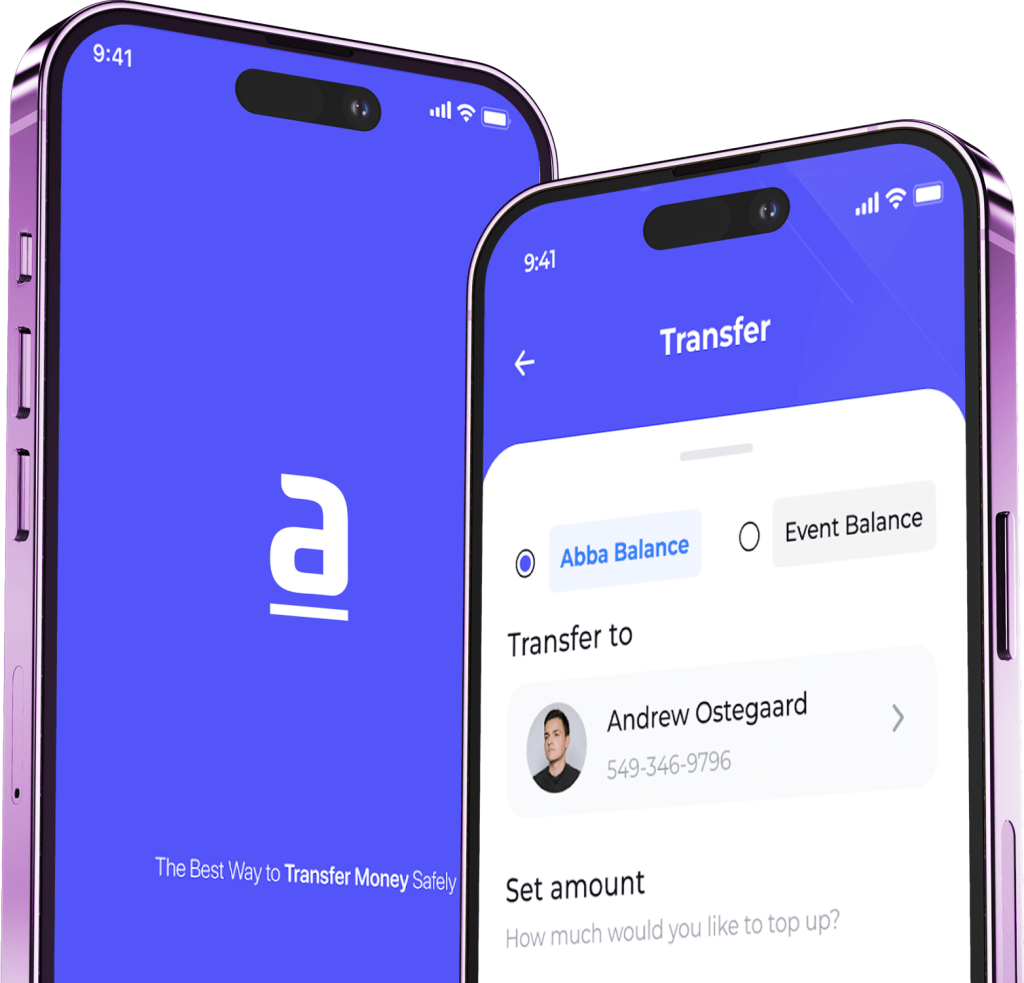
The Critical Impact of Mobile on Digital Content Delivery
In an era where over 60% of global web traffic originates from mobile devices, the ability for audiences to access digital content effortlessly on their smartphones has transitioned from a convenience to an essential component of strategic engagement. Leading industry reports highlight that mobile-optimized experiences not only increase user retention but also significantly boost content monetization opportunities.
For publishers aiming to enhance user interaction and reinforce credibility, integrating seamless mobile access is non-negotiable.
Designing for the Mobile-First Audience
Creating content that resonates requires understanding the cognitive and behavioral nuances of mobile users. Insights from usability studies indicate that page load times exceeding 3 seconds result in a 40% increase in bounce rates. Accordingly, a mobile-first strategy emphasizes:
- Responsive design adaptative to various screen sizes
- Minimized load times with optimized assets
- Intuitive navigation tailored for touch interfaces
- Readable typography with clear call-to-actions
Implementing these principles ensures that users stay engaged without frustration, fostering trust and authority in the content provider’s brand.
Technological Innovations Powering Mobile Content
Advancements such as Progressive Web Apps (PWAs) and Accelerated Mobile Pages (AMP) have revolutionized how publishers deliver content. These technologies enable:
| Feature | Benefit |
|---|---|
| PWAs | App-like experience, offline capabilities, push notifications |
| AMP | Faster load times, improved SEO rankings, enhanced visibility |
Incorporating these innovations positions publishers at the forefront of digital engagement strategies.
Case Studies: The Power of Mobile Optimization in Content Engagement
Several premium publishers have demonstrated measurable success through mobile-centric approaches. For example:
- MediaCorp: Transitioned to PWA technology, resulting in a 25% increase in dwell time and a 15% uptick in ad revenue.
- BrightNews: Reduced page load times via AMP, leading to improved Google rankings and a 20% rise in mobile subscriptions.
Such data underscores the competitive advantage attained through a dedicated focus on mobile user experience.
The Role of Content Accessibility and Personalization
Beyond technical optimization, delivering personalized content tailored for mobile consumers enhances engagement depth. AI-driven recommendations and adaptive content ensure users encounter relevant material effortlessly. Accessibility features—such as adjustable text sizes and voice navigation—also broaden audience reach and demonstrate a commitment to inclusivity, reinforcing credibility and trustworthiness.
Integrating Innovation with Reliability
While cutting-edge tech is vital, reliability remains paramount. It is here that platforms like Sweetynaily on your smartphone exemplify how modern digital solutions can enhance content accessibility and user experience. By combining intuitive design with robust functionality, such tools help publishers keep their audiences continually engaged, wherever they are.